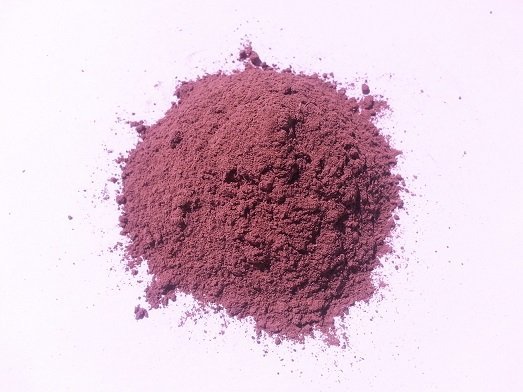
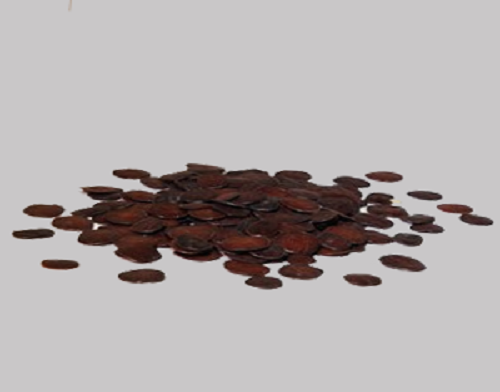
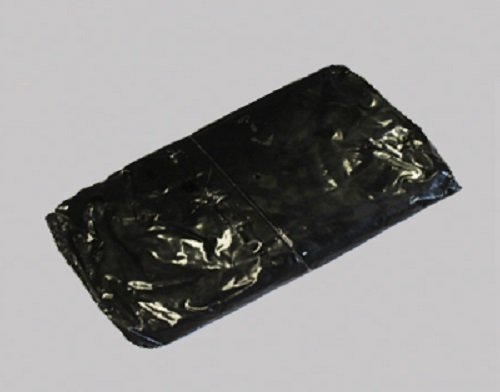
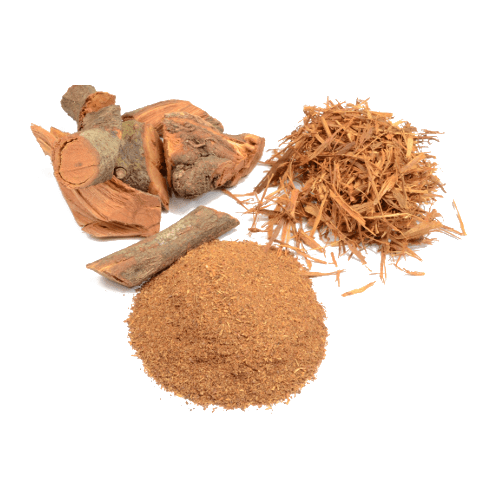
Ayahuasca kitst
$90.00
Ayahuasca kitst
What Is Ayahuasca?
Ayahuasca is a psychoactive brew originating from Indigenous Amazonian traditions. It is typically made by combining:
-
Banisteriopsis caapi (a vine containing MAOIs)
-
Psychotria viridis (a leaf containing DMT)
The MAOIs in the vine allow DMT to become orally active, producing a prolonged psychedelic experience lasting several hours. Traditionally, ayahuasca is consumed in ceremonial contexts under the guidance of trained shamans.
2. Common Educational Search Topics
This article addresses the following educational keywords and questions:
-
What is ayahuasca?
-
Traditional uses of ayahuasca
-
Ayahuasca legal status by country
-
Clinical research on ayahuasca
-
Risks and safety of ayahuasca
-
Religious and ceremonial exemptions
-
Ayahuasca vs. other psychedelics
-
Can ayahuasca treat depression or PTSD?
3. Traditional and Ceremonial Use
Ayahuasca has been used for centuries by Indigenous groups in Peru, Brazil, Colombia, and Ecuador for:
-
Spiritual healing and purification
-
Diagnosis and treatment of illness
-
Communication with ancestral spirits
-
Community rituals and rites of passage
In Brazil, several syncretic religions — including Santo Daime and União do Vegetal (UDV) — use ayahuasca as a sacred sacrament.
4. Legal Status Worldwide
| Jurisdiction | Status |
|---|---|
| United States (federal) | DMT is Schedule I; ayahuasca generally illegal except for religious exemptions |
| Brazil | Legal for religious use |
| Peru | Legal for traditional and ceremonial use |
| Canada | Illegal (limited religious exemptions) |
| United Kingdom | Class A (illegal) |
| Australia | Schedule 9 (prohibited) |
| Netherlands | DMT is illegal; ayahuasca occupies a gray area |
| Spain | Legal for religious use in some contexts |
U.S. Religious Exemptions
The U.S. Supreme Court has allowed religious groups like the União do Vegetal and Santo Daime to import and use ayahuasca sacramentally under the Religious Freedom Restoration Act (RFRA). These exemptions are narrow and do not apply to individuals or commercial “kits.”
5. Clinical Research on Ayahuasca
Recent peer-reviewed research has investigated ayahuasca for several mental health conditions. Key findings include:
| Condition | Evidence Level | Key Finding |
|---|---|---|
| Treatment-resistant depression | Moderate | Some studies show rapid antidepressant effects lasting weeks |
| Anxiety | Preliminary | Small studies suggest potential benefits |
| PTSD | Emerging | Early trials ongoing |
| Substance use disorders | Preliminary | Some evidence for reduced alcohol/cocaine use |
Notable Studies
-
A 2021 randomized controlled trial found that a single dose of ayahuasca produced significant reductions in depression severity compared to placebo.
-
Neuroimaging studies show ayahuasca increases brain-derived neurotrophic factor (BDNF) and reduces default mode network (DMN) activity — similar to other psychedelics.
Important: These studies use pharmaceutical-grade, standardized preparations in controlled medical settings — not unregulated “kits” purchased online.
6. Safety and Risks
Ayahuasca carries significant medical and psychiatric risks, including:
| Risk Category | Specific Concerns |
|---|---|
| Physical | Severe vomiting (purging), diarrhea, increased heart rate, blood pressure changes |
| Drug interactions | Fatal interactions with SSRIs, SNRIs, MAOIs, stimulants, certain pain medications |
| Psychiatric | Can trigger or worsen psychosis, mania, panic attacks, and prolonged dissociation |
| Contamination | Unregulated brews may contain toxic adulterants or incorrect plant ratios |
Contraindications (Do Not Use Ayahuasca If You Have):
-
Heart conditions or uncontrolled hypertension
-
Personal or family history of psychosis or bipolar disorder
-
Current use of antidepressants (especially SSRIs or MAOIs)
-
Pregnancy or breastfeeding
7. Educational Summary
| Question | Evidence‑Based Answer |
|---|---|
| What is ayahuasca? | An Amazonian brew containing DMT and MAOIs, used traditionally for healing |
| Is ayahuasca legal in the U.S.? | Generally no, except for specific religious groups with RFRA exemptions |
| Does ayahuasca have medical uses? | Early research shows promise for depression, but more trials are needed |
| Is it safe to brew at home? | No — risk of incorrect dosing, contamination, and fatal drug interactions |
| Are “ayahuasca kits” legal? | No — purchasing or selling DMT-containing plant materials is illegal in most countries |
Conclusion
Ayahuasca is a powerful psychedelic brew with deep Indigenous roots and emerging clinical research potential. However, it carries significant medical, psychiatric, and legal risks. Unregulated “kits” sold online are illegal in most jurisdictions, may contain misidentified or adulterated plants, and offer no quality control or safety oversight.
Related products

Reviews
Clear filtersThere are no reviews yet.